


Changes in the SAICA Training Regulations
SAICA recently issued their 2026 SAICA Training Regulations, effective from 1 January 2026. Training officers must ensure that the current version of the training regulations is communicated to all role-players in the training programme, so that it may be applied, in relation to their responsibilities. An overview of the most significant changes from the previous version of the training regulations is provided below.
Key Changes in ISA 570 (Revised 2024)
The terminology in the training regulations was aligned with the terminology used in the SAICA Training Programme and editorial consistency was applied throughout the training regulations.
The definitions for ‘LOR’ and ‘PDS’ were simplified, without changing the meaning. ‘Prescribed competencies’ and ‘proficiency’ were clarified to align with the competency framework for the SAICA Training Programme.
Accreditation
Previous Regulations 7.10 and 7.11 were refined, and included under Regulation 7.9 as Regulations 7.9.1 and 7.9.2, since they form part of the requirements for new accreditations.
Regulation 7.12 was updated to include the fact that SAICA may refuse to register a person as a training officer, or cancel training officer registration, if the person did not satisfactorily meet the requirements of the training regulations.

Employment contracts and other relevant agreements
Regulation 10.4 was clarified by indicating that a trainee accountant may be requested to reimburse the training office on cancellation of the training contract for TCMS, SAICA Education Fund (SEF) levy or IRBA disbursements made by the training office to SAICA or IRBA.
Regulation 10.4.2 was changed to refer to ‘relevant agreement’, instead of ‘employment contract’, to widen the scope, as study loans and bursaries may be agreed on in agreements separate from the employment contract.
Training contracts
Regulation 21.8.3, Regulation 24.1 and Annexure 3, para 2.9 now require that the trainee accountant must apply for the training contract to be discharged within 30 days after the end date of the training contract, otherwise the training contract may be cancelled.
Regulation 28.1.7 now includes the completion certificate as part of the matters that SAICA will validate.
Annexure 2: Accreditation Criteria
General amendments to the accreditation criteria include:
- A2: It was added to the indicators that an employment contract should exclude any restraint of trade.
- B5: Indicator 4 was updated to include relevant training as part of the supportive learning environment.
- C7 and C8 were deleted, as these criteria are already evaluated as part of the assessment process and this avoids unnecessary duplication.
- C9: Indicator 2 was deleted because ethical reasoning is already incorporated in the ethics proficiency requirements as part of the assessment process.
The assessment process was amended as follows:
- D2.1.1: Trainees must now submit at least one LOR every two months. This change will only take effect, once the necessary developments have been implemented in the EAT.
- D2.1.2.b(ii): ‘describe where, what, when, who, why and how’ was replaced with ‘a narrative description of how PVAA was demonstrated’. SAICA will issue further guidance and communication on this in due course.
- D2.1.5: The wording was updated to clarify that trainee accountants must finalise LORs timeously following any revision requested.
- D2.2.1: A new requirement was included that trainee accountants must submit at least one PDS every three, four or six months (training office to prescribe).
- D2.2.2: The reflection on ‘academic progress’ was broadened to any relevant ‘academic studies’ undertaken by the trainee accountant.
- D2.2.3: The responsibilities of assessors were revised, with no more separate requirements for the evaluator role. The assessor is responsible for ensuring the credibility of the assessment process and completing the PDS with the trainee. Certain functions (such as completion of the PDS) may still be delegated to an evaluator, in line with the training office’s internal policies.
- D2.2.4: The timeline for the trainee accountant and assessor to meet, discuss and sign off the PDS was updated to six weeks.
- D2.2.6: The requirement for trainee accountants to finalise the PDS within one week after sign-off by the assessor was included in a separate paragraph.
Guidelines and templates
The Guidelines to the academic progress rule and all the template notification letters were updated for alignment to the terminology.
A new guidance document, Responsible Use of AI in Completing SAICA Assessment Forms, was provided to guide trainee accountants, and remind them to take responsibility for the evidence completed in assessment forms.
Conclusion
The amendments made to the training regulations may result in various improvements, if applied correctly. It is important to analyse and understand the requirements to reap the benefits. LEAF can assist with SAICA training office-related matters.
References
1. SAICA Training Regulations 2026
2. Explanatory Memorandum – Training Regulations 2026
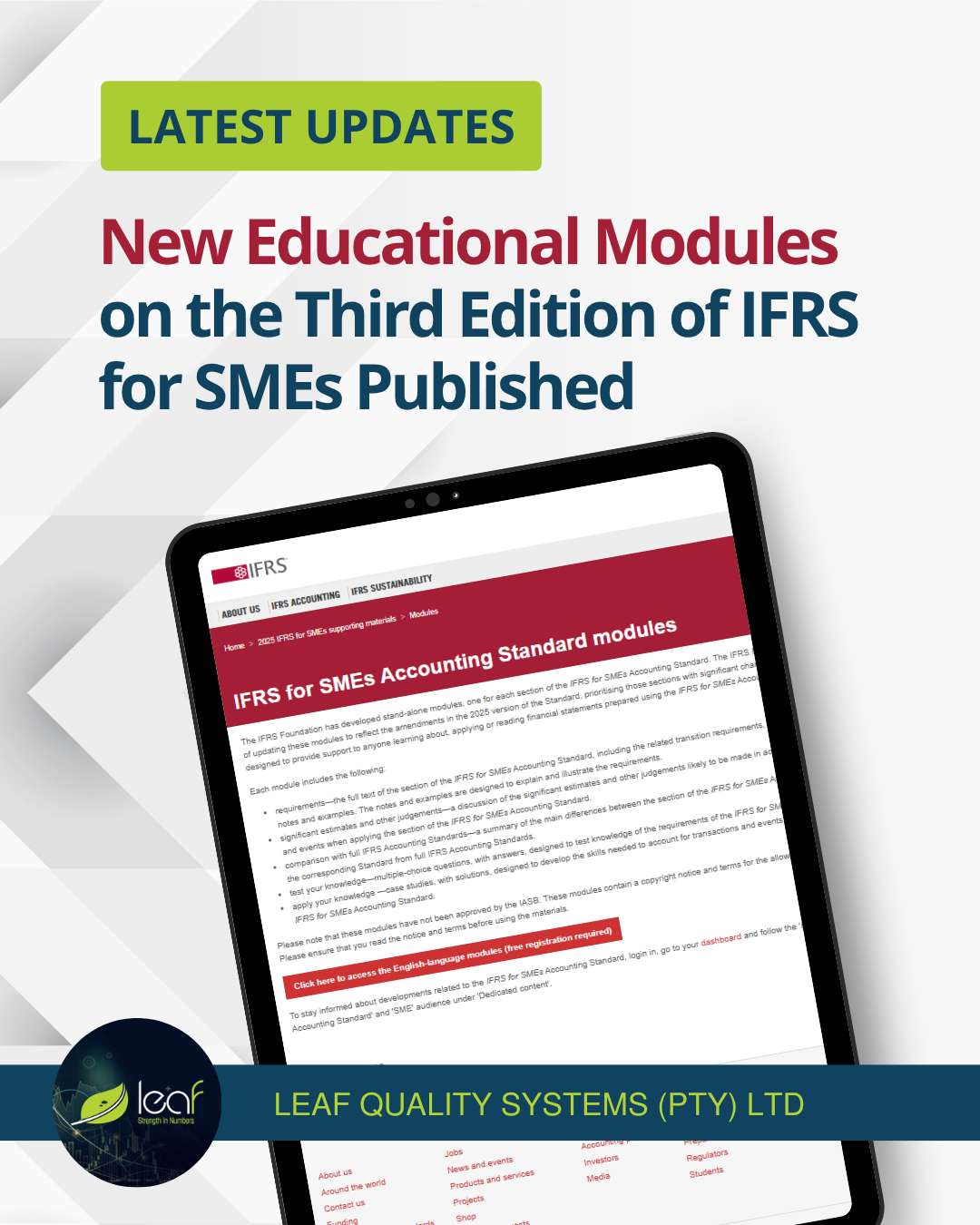
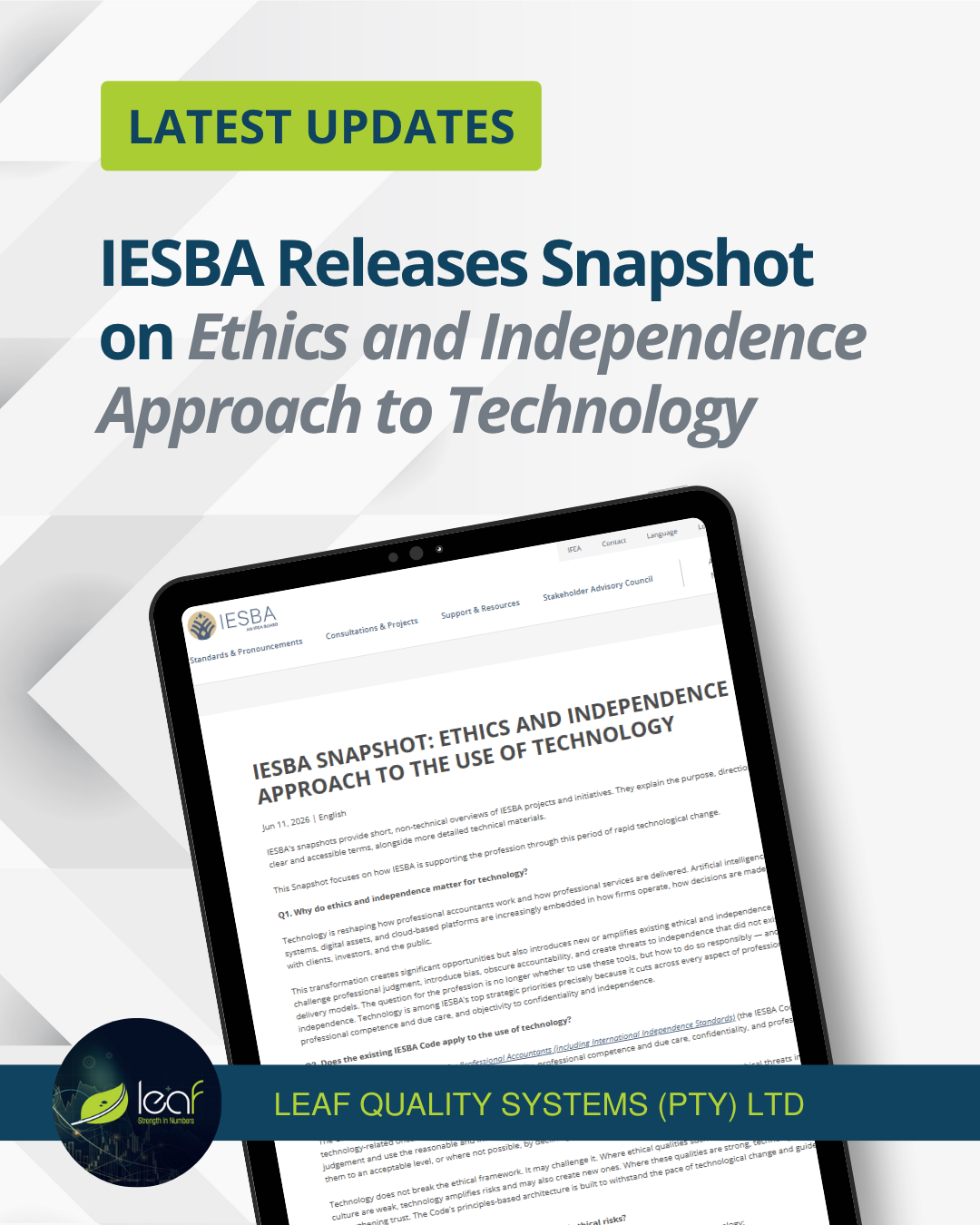
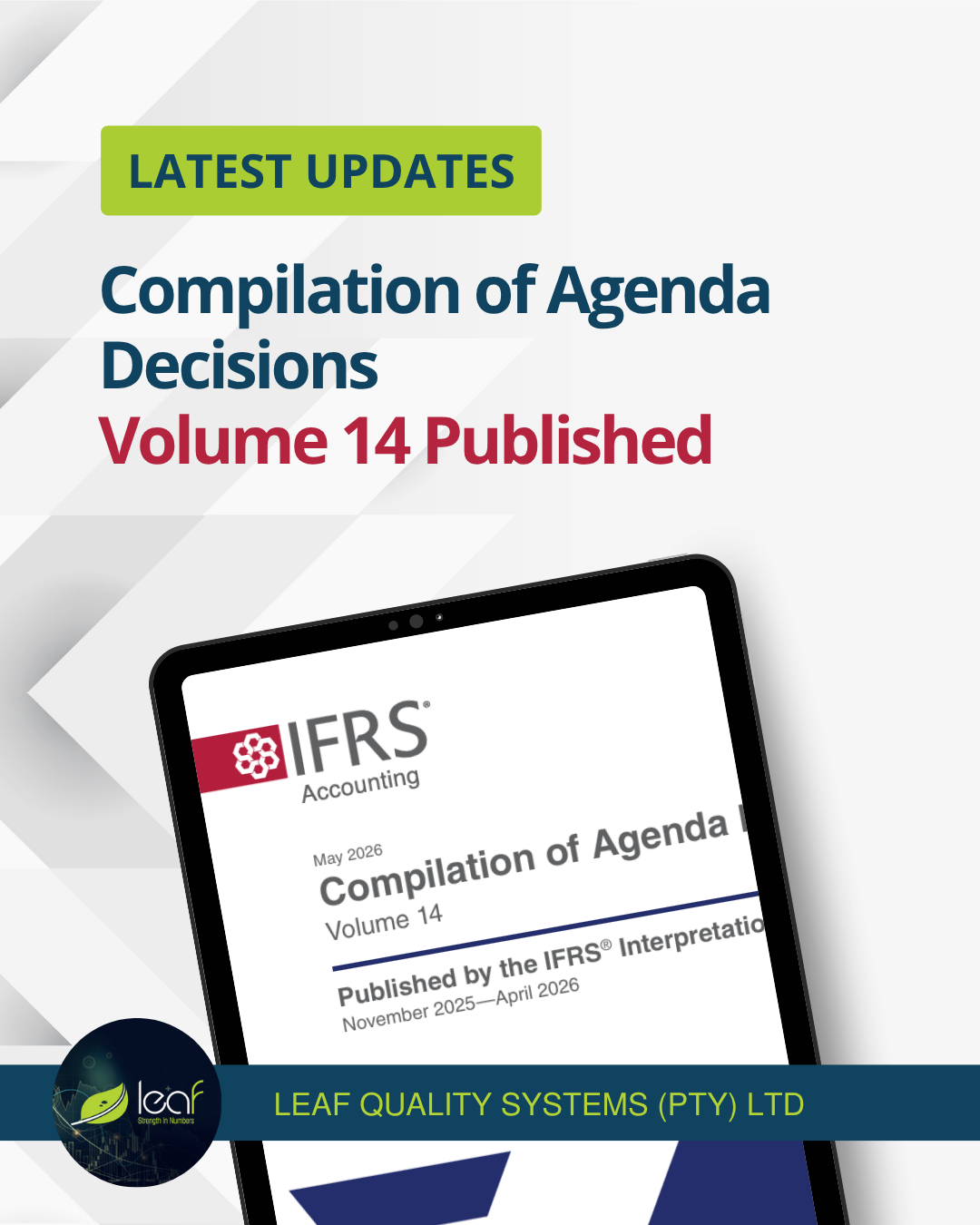
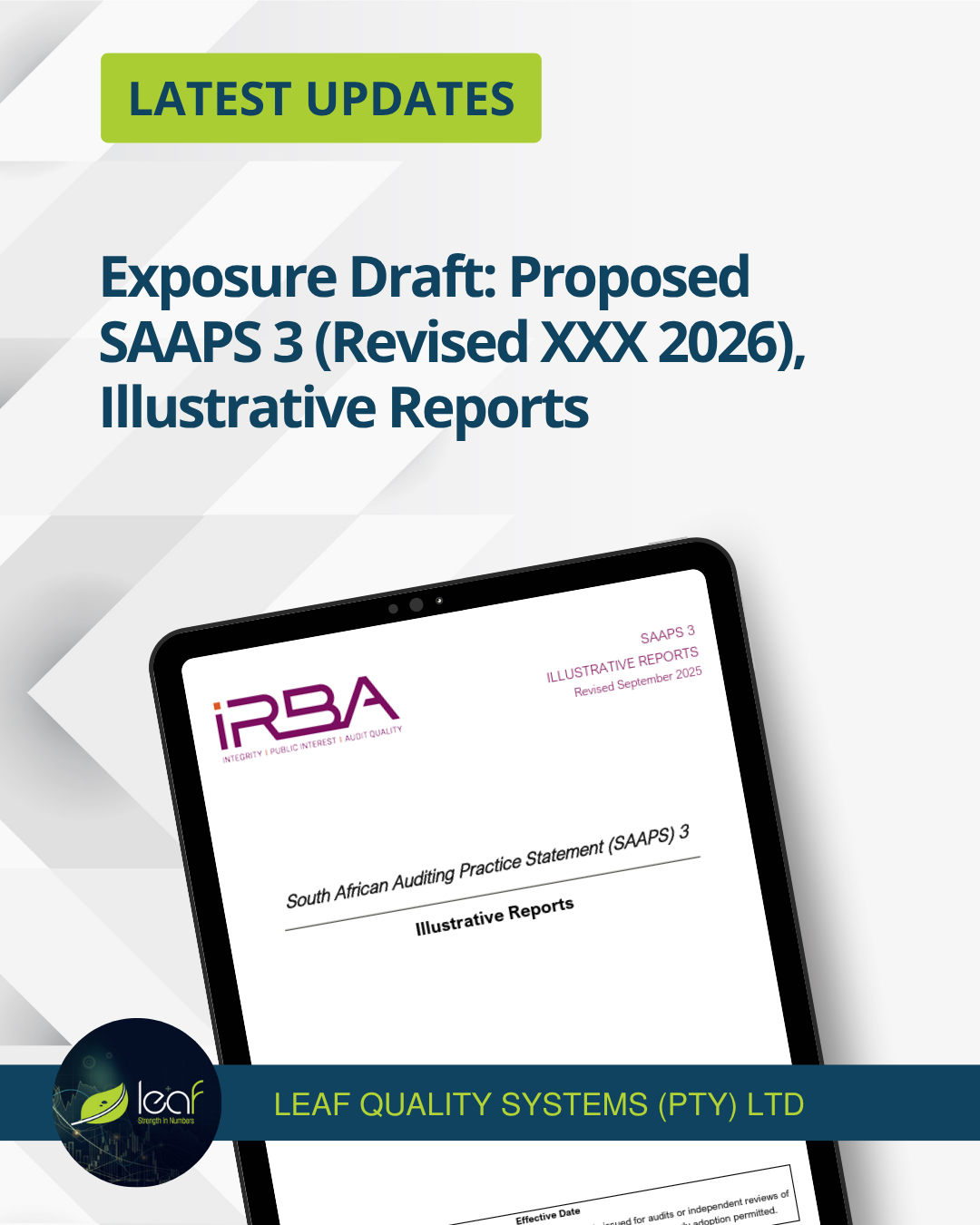
Latest Updates
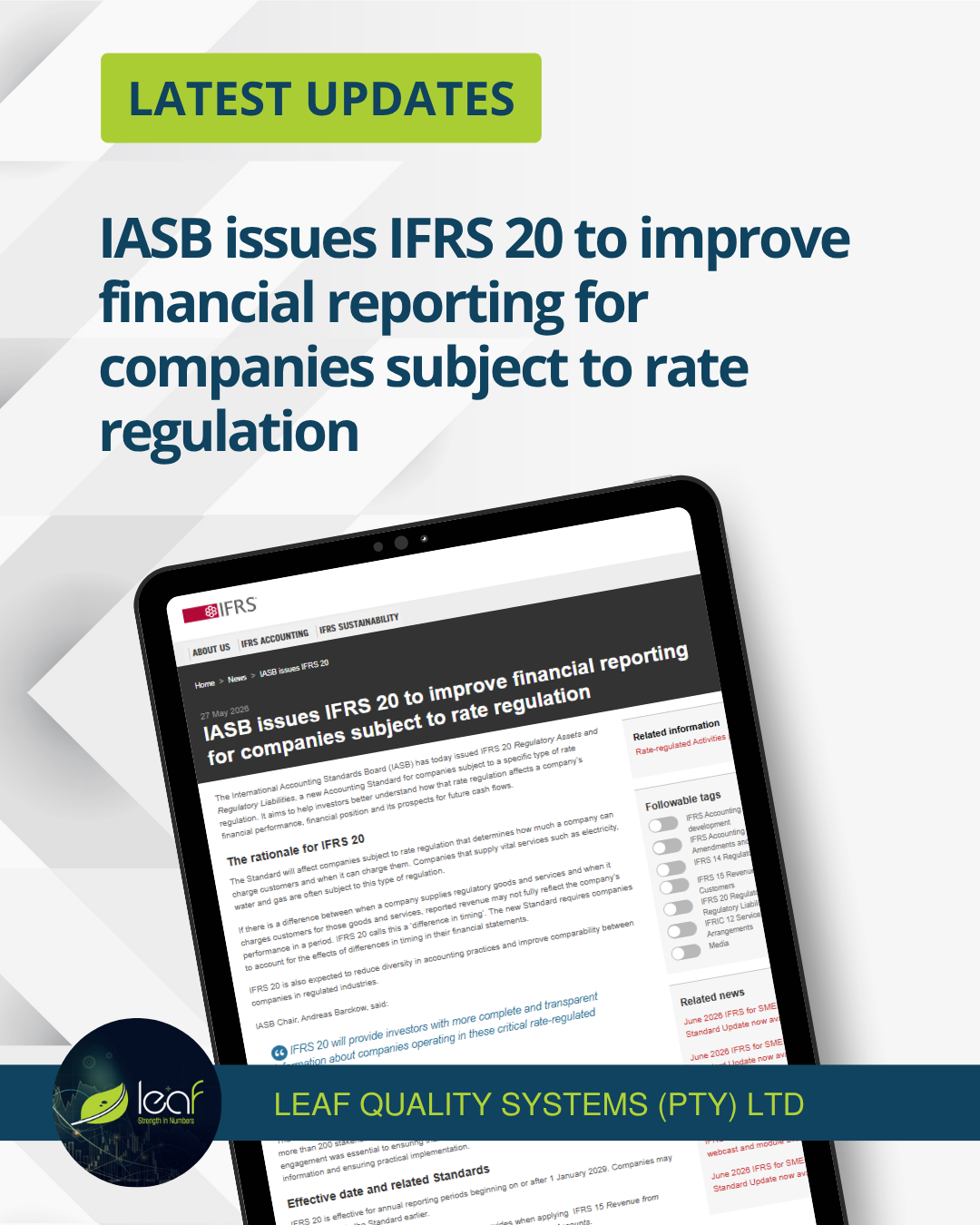
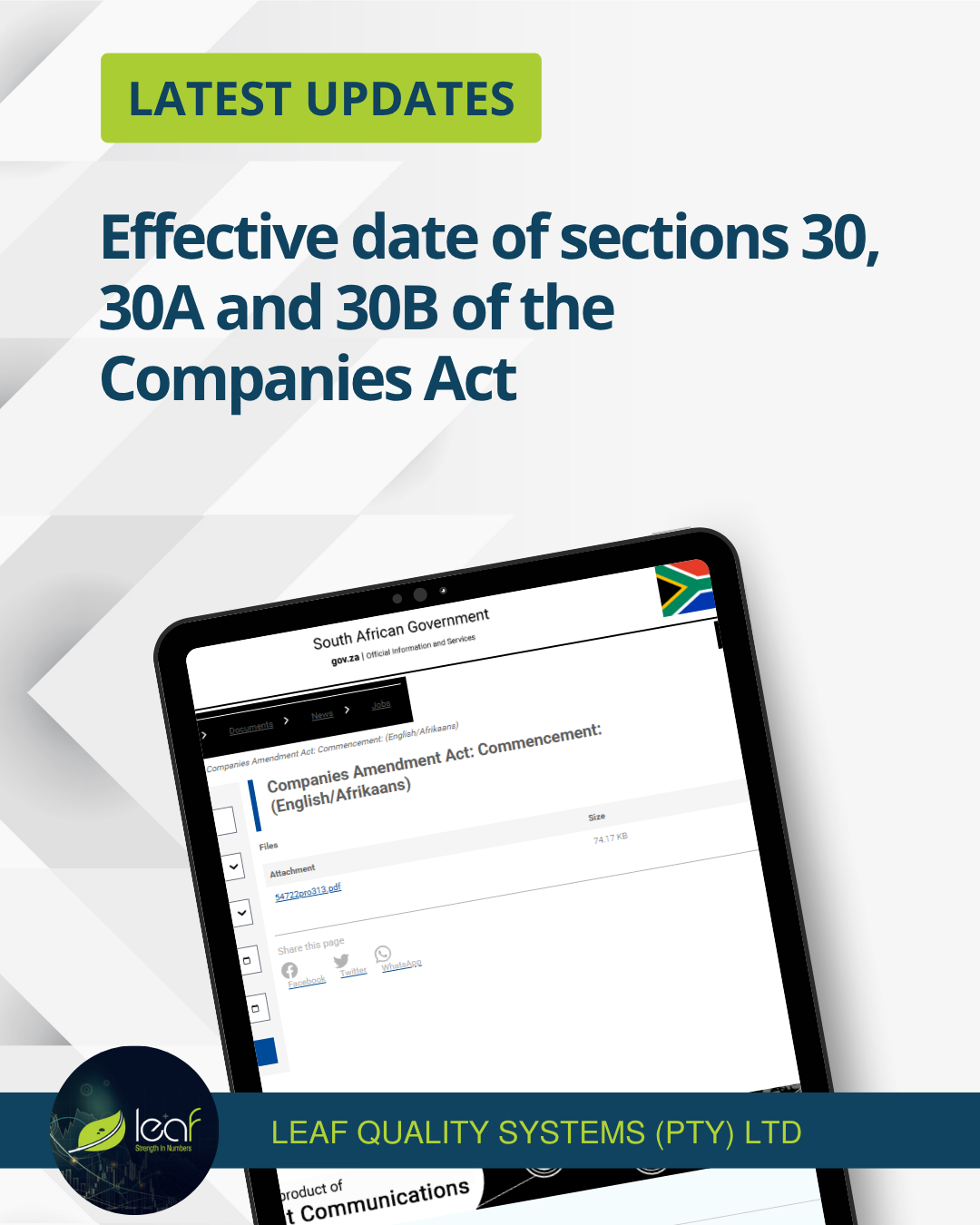


What's News

Three Trends Shaping the South African Audit Profession
As 2026 gets underway, the audit profession in South Africa continues to experience high expectations, scrutiny, and an environment that is evolving more rapidly than many firms would like. Several clear trends are shaping how audit firms need to adapt this year.
Audit Issues & Trends to Consider

- Regulated industries
It is often required in regulated industries that the regulator approve the auditor to perform audits within the industry. It is critical that the auditor obtain the approval from the regulator, prior to performing any audit work for audit clients in the industry; otherwise, the auditor may not be able to recover time spent on the work.
The Financial Sector Conduct Authority (FSCA) is very strict regarding...
We want to know: Was this article useful?
If you found this article useful, or if you would like articles on different topics, please let us know.
We welcome your feedback!
How LEAF can give practical assistance
LEAF can assist through audit quality, technical, training and other services to provide you with practical guidance.
Looking for guidance on implementing ISA 570 (Revised 2024)?
Contact LEAF or subscribe to our newsletter for expert insights and practical support.


